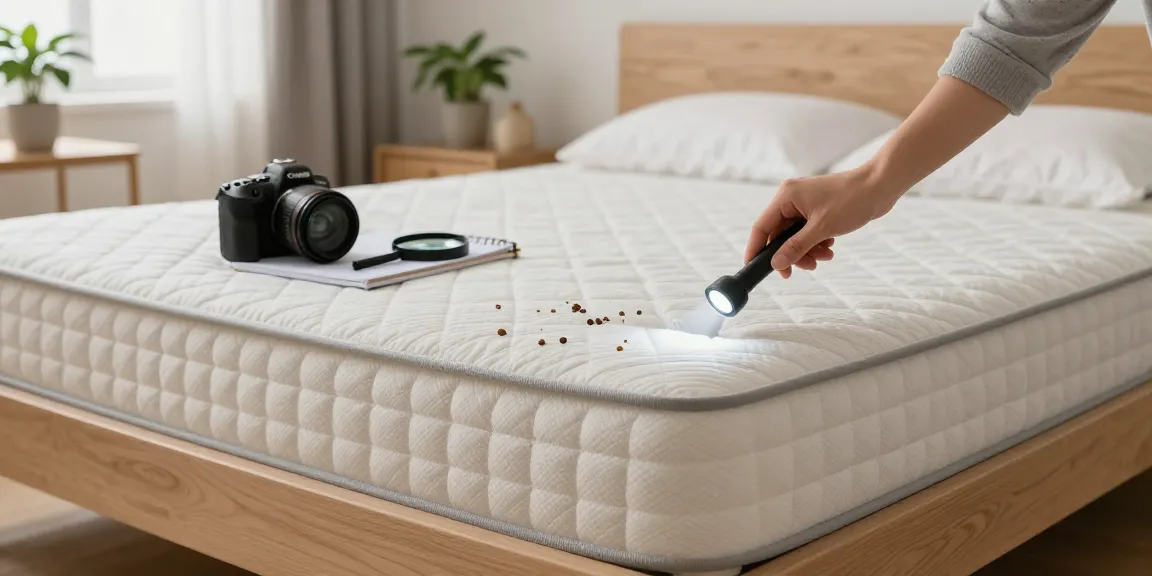
Understanding Bed Bug Infestations
Bed bugs are tiny, parasitic insects that feed on the blood of humans and animals. A resurgence in bed bug infestations has been observed globally, particularly in urban environments like Milwaukee. Understanding these pests, their habits, and the ways they spread is crucial for effective bed bug control. This article will delve into the lifecycle of bed bugs, identify common signs of an infestation, and explore how these pests can infiltrate homes. For those seeking reliable solutions, visiting a trusted resource for bed bug control can provide valuable insights and services tailored to the Milwaukee area.
What Are Bed Bugs and Their Lifecycle?
Bed bugs (Cimex lectularius) are small, oval-shaped insects that are typically brown in color, resembling apple seeds. They are about ¼ inch in length and are nocturnal, meaning they are most active at night when they come out to feed. The lifecycle of a bed bug comprises several stages: egg, nymph, and adult. Female bed bugs can lay up to seven eggs per week, accumulating to over 500 eggs in their lifetime. These eggs are tiny and often stick to surfaces, making them difficult to detect.
Common Signs of Infestation
Recognizing the early signs of a bed bug infestation is vital. Common indicators include:
- Itchy Bites: Bed bug bites often appear in clusters or lines on the skin and can cause significant itching.
- Bloodstains: Small blood spots on sheets or mattresses can indicate that you have been bitten while sleeping.
- Dark Spots: Excrement from bed bugs appears as tiny, dark specks on bedding and furniture.
- Presence of Shells: Bed bugs shed their skins as they grow, leaving behind a telltale sign of their presence.
How Bed Bugs Spread in Homes
Bed bugs are exceptional hitchhikers. They can easily spread through various means, including:
- Travel: Infested luggage, clothing, or bedding can introduce bed bugs into your home.
- Used Furniture: Second-hand items like mattresses, sofas, or other furniture can harbor these pests.
- Shared Walls: In multi-unit dwellings, bed bugs can travel through cracks in walls or along plumbing and electrical lines.
Bed Bug Control Options
Effective bed bug control requires a strategic approach that may include various treatment methods. It is essential to choose treatment options tailored to the specific needs of your home and infestation severity. Here are some widely recognized methods:
Heat Treatment: An Effective Approach
Heat treatment is a highly effective method for eradicating bed bugs. This technique involves raising the temperature of the affected area to levels lethal for bed bugs and their eggs. Heat treatments can reach over 120°F, effectively killing all life stages of bed bugs. Not only does heat treatment allow for the maintenance of your existing furniture, but it also reduces the use of chemicals, making it an eco-friendly option.
Chemical Treatments: What You Should Know
Chemical insecticides remain a common method for bed bug control. These treatments come in various formulations, including sprays and residual powders, which adhere to surfaces to provide long-lasting protection. While effective, it’s vital to follow all safety guidelines during application and consider the potential for bed bugs to develop resistance to certain pesticides over time. Professional exterminators often have access to high-grade chemicals that are not available in retail outlets.
Integrated Pest Management Techniques
Integrated Pest Management (IPM) combines multiple strategies for effective bed bug control. This holistic approach includes:
- Monitoring: Regular inspections and monitoring are critical for early detection.
- Exclusion: Sealing entry points can help prevent bed bugs from entering your home.
- Sanitation: Keeping living spaces clean and free of clutter can limit hiding places.
DIY vs. Professional Bed Bug Control
When dealing with a bed bug infestation, homeowners often face the choice of taking a DIY approach or hiring professionals. Understanding the implications of each option can help in making an informed decision.
When to Go for DIY Solutions
DIY solutions can be effective for minor infestations or for those on a tight budget. Options may include using diatomaceous earth, common insect repellents, or specialized pest control products available at local stores. However, these methods often lack the power needed to eliminate more severe infestations completely.
Benefits of Hiring Professionals
Hiring a professional pest control service, such as Affordable Bed Bug Exterminators, can offer several advantages:
- Expertise: Professionals are trained to identify and treat bed bug infestations effectively.
- Access to Advanced Tools: Specialized equipment and treatment methods ensure thorough extermination.
- Long-Term Solutions: Professionals can provide advice on preventing future infestations, which is crucial for maintaining a bed bug-free home.
Cost-Effectiveness of Professional Services
While the initial cost of hiring professional services may seem high, it can save homeowners money in the long run by preventing severe infestations that could lead to expensive replacements of furniture and bedding. Additionally, a successful bed bug treatment minimizes the risk of ongoing stress related to bites and discomfort.
Preventing Future Infestations
Preventing bed bug infestations is as crucial as eradicating them. By following best practices, homeowners can significantly reduce the risk of re-infestation. Here are some proactive measures to consider:
Best Practices for Homeowners
Regular maintenance and vigilance are essential in preventing bed bugs. Actions that can be taken include:
- Regular Inspections: Frequently check your bedding and furniture for signs of bed bugs.
- Use Protective Covers: Encase mattresses and pillows in protective covers to prevent bed bugs from nesting.
Travel Tips to Avoid Bringing Bed Bugs Home
Travelers should take precautions to avoid picking up bed bugs while on the road. Consider the following tips:
- Inspect Lodging: Before settling in, inspect hotel rooms for signs of bed bugs.
- Keep Luggage Off the Floor: Use luggage racks instead of placing bags on beds or floors.
Regular Monitoring and Maintenance Strategies
Incorporating regular pest control assessments into your home maintenance routine can help ensure that any potential infestations are detected early. Schedule periodic inspections with professionals, especially after returning from travels or purchasing second-hand items.
Frequently Asked Questions About Bed Bug Control
What are the most effective bed bug control methods?
The most effective methods include heat treatments, chemical sprays, and integrated pest management strategies that utilize a holistic approach to treatment.
How long does it take for bed bug treatments to work?
The time required for bed bug treatments to show results varies depending on the method used. Heat treatments can show immediate results, while chemical treatments may take a few weeks for full efficacy.
Are bed bugs resistant to pesticides?
Yes, bed bugs can develop resistance to certain pesticides, making it essential to rotate treatment methods and employ professional exterminators who can utilize advanced solutions.
Can I treat bed bugs without professional help?
While minor infestations may be managed with DIY methods, significant infestations often require the expertise of professionals for effective eradication.
What should I do if I suspect a bed bug infestation?
If you suspect a bed bug infestation, inspect your home for signs, take precautionary measures to avoid spreading them, and contact a professional pest control service for thorough treatment and advice.