Introduction to LVP Floor and Its Benefits
Luxury Vinyl Plank (LVP) flooring has taken the interior design market by storm, offering a blend of durability, style, and affordability that homeowners and designers alike find irresistible. Ideal for a variety of spaces, the lvp floor features remarkable versatility and can cater to diverse aesthetic preferences while providing long-lasting functionality. In this comprehensive guide, we will explore what LVP flooring is, its numerous benefits, and how to select the perfect type for your home or office environment.
What is LVP Floor?
LVP stands for Luxury Vinyl Plank, which is a type of vinyl flooring designed to mimic the appearance of natural wood or stone. Composed of multiple layers, including a protective top layer, a design layer, a core layer, and a backing layer, LVP is resilient and offers a high level of performance under various conditions. The design layer contains high-resolution images of wood or stone, creating realistic textures and colors that can elevate any interior space.
One of the unique selling points of LVP flooring is its water resistance, making it a popular choice for areas prone to moisture like kitchens, bathrooms, and basements. Furthermore, LVP is available in an array of styles and finishes, allowing homeowners to achieve the look they desire without sacrificing practicality.
Durability and Cost-Effectiveness
When considering flooring options, durability and cost are two critical factors. LVP flooring is manufactured using resilient materials that can withstand significant wear and tear, making it a great investment for both residential and commercial spaces. Unlike traditional hardwood floors, LVP is less susceptible to scratches, dents, and fading.
Moreover, LVP is generally more cost-effective than many alternative flooring styles, including hardwood. It provides a similar aesthetic but at a fraction of the cost, making it an appealing option for budget-conscious homeowners. The reduced need for periodic refinishing and maintenance further enhances its cost-effectiveness over time.
Style and Aesthetic Appeal
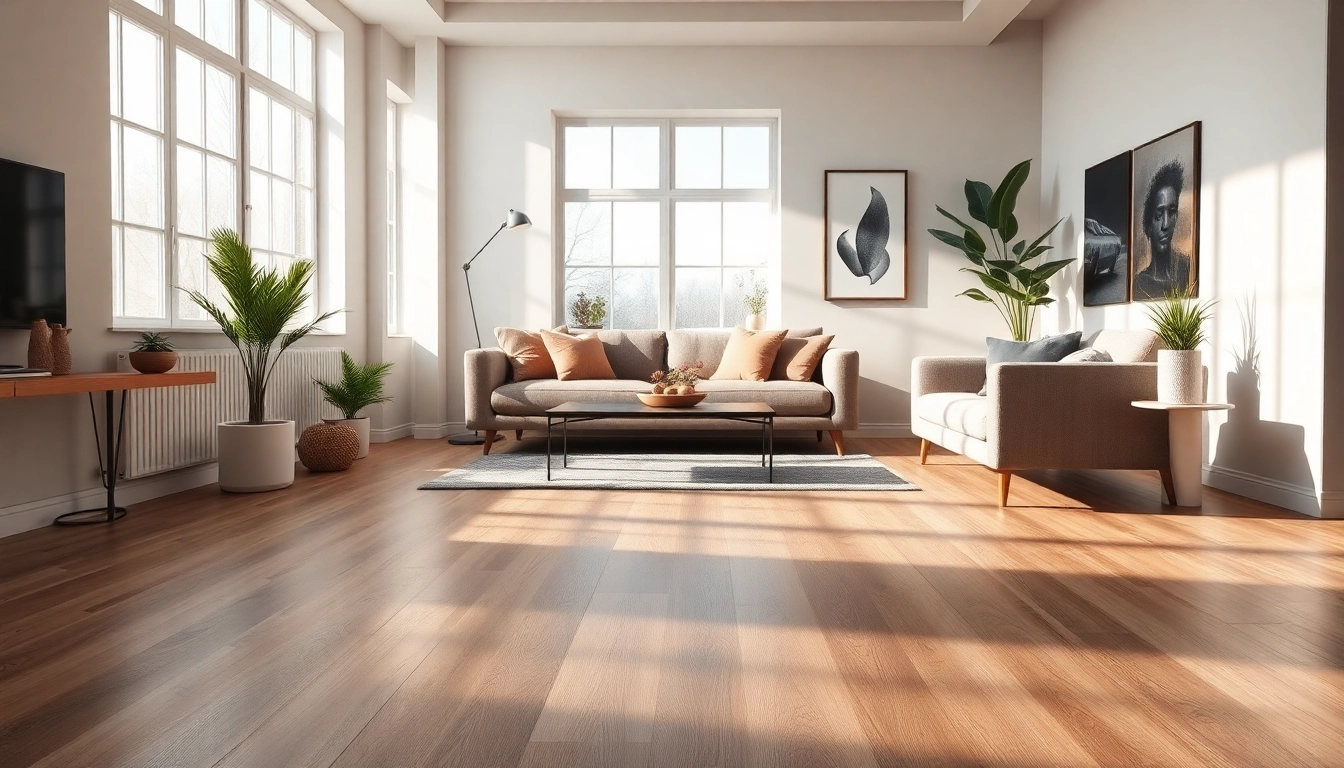
In addition to its practical benefits, LVP flooring does not compromise on style. Available in a vast selection of colors, textures, and designs, it can fit seamlessly into various design themes—from rustic to modern to eclectic. Whether you prefer the warmth of oak, the exotic look of teak, or the elegance of grey stone, there is an LVP option to match your vision.
Furthermore, LVP flooring can enhance the overall aesthetic of a room, creating an inviting atmosphere that guests will appreciate. With its ability to replicate the appearance of high-end materials, LVP offers homeowners the opportunity to embrace luxury while maintaining practicality.
Choosing the Right LVP Floor for Your Space
Finding the ideal LVP flooring for your specific requirements involves numerous considerations, including color, texture, functionality, and budget. Here’s how to navigate these aspects to make an informed choice.
Color and Texture Options
The color and texture of your LVP floor can set the tone for your entire space. Light-colored LVP, such as ash or beige, can give the illusion of a more open area, while darker tones, like espresso or walnut, can add warmth and richness to the room.
Additionally, when selecting texture, consider how it complements the other materials in your home. For instance, a distressed finish can create a rustic charm, perfect for a cozy cabin-inspired space. On the other hand, a smooth finish can enhance a contemporary design.
Don’t forget to sample different options in your light conditions before making a final choice. What might seem appealing in the store could look vastly different in your home!
Room Functionality Considerations
The functionality of the room plays a significant role in determining the type of LVP flooring that is best suited for your space. High-traffic areas, such as entryways or living rooms, require flooring that can withstand regular use. In contrast, more private areas, like bedrooms, can utilize softer, more luxurious options.
Additionally, consider the chances of spills or moisture in the area. For kitchens and bathrooms, opt for LVP that is specifically marketed as waterproof or water-resistant to protect against damage. Furthermore, if you have pets or small children, choosing a floor with a robust wear layer can help prevent scratches and enhance durability against accidents.
Budgeting for Your LVP Floor Project
Establishing a budget is a crucial step in your flooring project. LVP budgets can vary based on factors such as the quality of the planks, the size of the space, and labor costs if installation services are required. On average, LVP flooring ranges from $2 to $5 per square foot, with high-end options exceeding that range for special features or designs.
When determining your budget, take into account additional expenses such as underlayment, installation tools, or labor costs if you choose to hire a professional. Additionally, remember to factor in long-term cost savings related to maintenance and repairs, as LVP often requires less upkeep than traditional flooring options.
Installation Process for LVP Floor
The installation process of your new LVP flooring is essential for achieving the desired look and functionality. Here’s an outline of the steps involved and some critical considerations to keep in mind.
Preparation Steps Before Installation
Before installing your LVP flooring, it’s vital to prepare the space adequately. Start by removing any existing flooring and ensuring that the subfloor is clean, dry, and level. Any unevenness in the subfloor can lead to complications down the line.
Additionally, allow the new LVP planks to acclimate to the room’s temperature and humidity for at least 48 hours before installation. This step minimizes the risk of expansion or contraction once the planks are laid. Prepare any necessary underlayment as well, which may help with sound absorption and provide an extra layer of cushioning.
DIY vs. Professional Installation
Deciding between a DIY installation or hiring a professional can depend on several factors, including your confidence in handling flooring projects and the complexity of installation. LVP is generally known for its straightforward installation process, especially with click-lock systems, making it a feasible option for homeowners looking to tackle it themselves.
However, if the space requires extensive prep work or you are uncomfortable measuring and cutting materials accurately, you may consider hiring a professional. They can ensure that the installation meets manufacturer guidelines, which can be beneficial for warranty purposes.
Common Installation Mistakes to Avoid
To avoid complications during the installation process, keep these common mistakes in mind:
- Skipping acclimation: Allowing your LVP to acclimate to the room prevents future warping.
- Poor measurements: Accurate measurements are crucial for minimizing waste and ensuring a seamless fit.
- Ignoring manufacturer guidelines: Always refer to the manufacturer’s installation instructions to avoid voiding warranties.
- Inadequate subfloor preparation: Ensure the subfloor is level and clean to avoid complications later.
Maintenance and Care for LVP Floor
Caring for your LVP floor is straightforward, contributing to its long lifespan and sustaining its aesthetic appeal. Here’s a breakdown of essential maintenance practices.
Cleaning Tips and Best Practices
Regular cleaning is crucial to maintain the appearance and performance of your LVP flooring. Here are some best practices to keep in mind:
- Use a soft-bristled broom or a vacuum with a soft attachment to remove dirt and debris.
- Mop with a damp microfiber cloth or mop using a pH-neutral cleaner specifically formulated for LVP.
- Avoid harsh chemicals, waxes, or polishes that can dull the floor’s finish.
Protecting Your LVP Floor from Damage
While LVP is durable, taking precautions can help enhance its lifespan. Consider utilizing area rugs in high-traffic areas and placing felt pads under furniture to prevent scratching. Additionally, encourage pets to have their nails trimmed to minimize the risk of scratching the floor surface.
Long-Term Care Strategies
Long-term care strategies for your LVP flooring include regular inspections for signs of wear and tear. Monitor the seams and edges for any lifting or damage and address any issues promptly to avoid further complications. Also, routinely reorganizing furniture placement can help evenly distribute foot traffic across the flooring surface.
FAQs About LVP Floor
What makes LVP floor a good choice for homes?
LVP flooring is a great choice for homes due to its durability, water resistance, aesthetic versatility, and ease of installation. It’s also budget-friendly compared to hardwood, making it appealing to many homeowners.
How do I clean and maintain my LVP floor?
Regular broom sweeping or vacuuming, along with damp mopping using pH-neutral cleaners, is essential. Avoid harsh chemicals and always use felt pads under furniture to prevent scratches.
Can LVP floor be installed over existing flooring?
Generally, LVP can be installed over existing flooring as long as the surface is stable, clean, and level. However, check the manufacturer’s guidelines for specific recommendations.
How does LVP floor compare to traditional hardwood?
LVP offers similar aesthetics to hardwood but is generally more durable, water-resistant, and easier to maintain. It is also more budget-friendly than traditional hardwood options.
Is LVP floor waterproof and pet-friendly?
Many types of LVP flooring are waterproof, making them ideal for kitchens and bathrooms. They are also pet-friendly, being resistant to scratches and easy to clean after accidents.