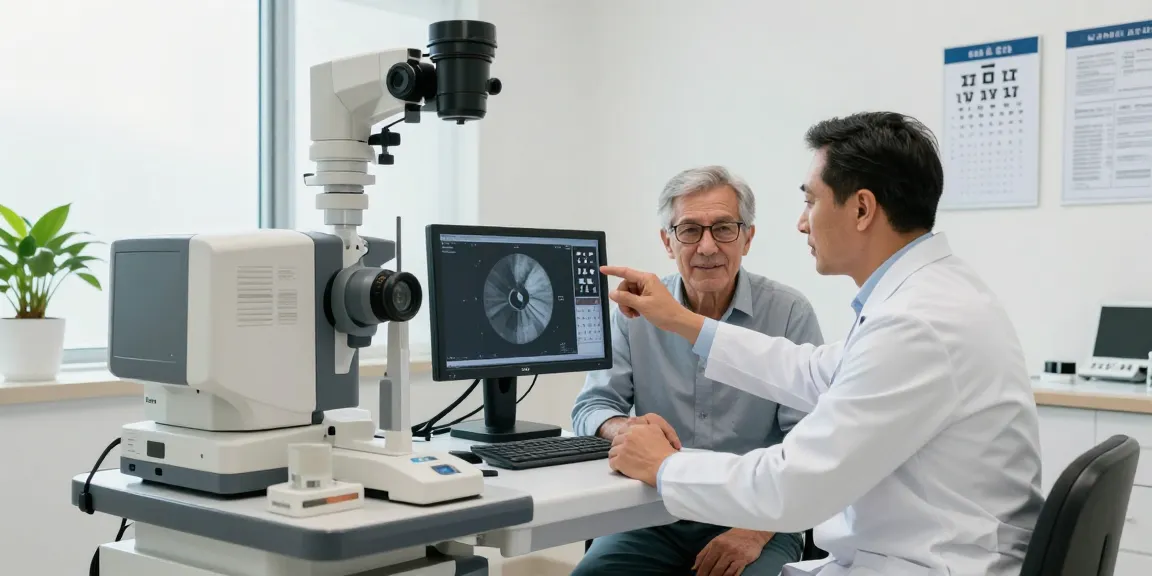
Understanding Retinal Health and Its Importance
The retina is a light-sensitive layer of tissue located at the back of the eye, playing a crucial role in capturing visual information and sending it to the brain. Maintaining the health of the retina is vital for overall eye health and optimal vision. Retinal disorders can lead to significant visual impairment or even blindness if left untreated. Therefore, understanding the implications of retinal health and the role of a retina specialist in Abu Dhabi is essential for those at risk or experiencing symptoms.
What Are Retinal Disorders?
Retinal disorders encompass a range of conditions that affect the retina's structure and function. These disorders can be caused by various factors, including genetic predispositions, age, underlying health conditions (like diabetes), and exposure to harmful environmental elements. Common retinal disorders include diabetic retinopathy, age-related macular degeneration (AMD), retinal detachment, and retinal vein occlusion. Each of these conditions can have varying degrees of severity and symptoms, necessitating timely diagnosis and treatment.
Why See a Retina Specialist in Abu Dhabi?
Seeing a retina specialist is essential for anyone experiencing vision problems related to retinal health. These specialists have advanced training in diagnosing and treating complex retinal conditions, utilizing state-of-the-art technologies and treatment methodologies. In Abu Dhabi, healthcare facilities are equipped with sophisticated diagnostic tools that help specialists accurately assess retinal disorders and develop effective treatment plans tailored to individual patients. Early detection can significantly improve outcomes, making it vital to seek specialist advice when experiencing any symptoms of retinal issues.
Impact of Retinal Conditions on Vision
Retinal conditions can severely impact vision, with symptoms ranging from blurred vision to complete blindness. Conditions like diabetic retinopathy can progress gradually, often without visible symptoms initially, making regular check-ups critical for early intervention. Other conditions, such as retinal detachment, require immediate medical attention to prevent irreversible damage. Understanding the potential impact of these conditions underscores the importance of proactive retinal health management.
Choosing the Right Retina Specialist in Abu Dhabi
Selecting a qualified retina specialist is crucial for effective diagnosis and treatment. Patients should consider various factors, including the specialist's experience, communication style, and the resources available within the medical facility. Many specialists offer comprehensive consultations to discuss treatment options and address any questions regarding the management of retinal disorders.
Key Qualities of an Effective Retina Specialist
When searching for a retina specialist, look for the following qualities:
- Experience and Credentials: Ensure the specialist is board-certified and has extensive experience treating retinal conditions.
- Advanced Training: Specialists should have additional training specifically focused on retinal disorders.
- Innovative Treatment Approaches: An effective specialist stays updated with the latest advancements in retinal treatments.
- Patient-Centric Care: Compassionate care and good communication are vital for a positive patient experience.
Factors to Consider When Selecting a Specialist
Several factors can influence your choice of a retina specialist, such as:
- Location: Proximity to the specialist's office can ease the burden of frequent appointments.
- Insurance Coverage: Check if your insurance plan covers services provided by the specialist.
- Referrals: Asking for recommendations from your primary care physician or family can lead you to trusted specialists.
- Technology and Facilities: Evaluate the medical facility's equipment and resources to ensure access to advanced diagnostic and treatment options.
Patient Reviews and Recommendations
Online patient reviews can offer valuable insights into the experiences of others with a specific retina specialist. Reading these testimonials can help gauge the specialist's effectiveness and approachability. Recommendations from friends or family who have undergone treatment can also provide additional perspective and increase comfort in choosing a specialist.
Common Treatments and Procedures
Innovative treatments for retinal disorders are continually evolving, offering hope for improved outcomes. A retina specialist will determine the most appropriate treatment based on the specific condition and its severity.
Available Treatment Options for Retinal Disorders
Some common treatment options include:
- Laser Therapy: This treatment can help seal leaking blood vessels in diabetic retinopathy or treat retinal tears.
- Injections: Medications injected into the eye can reduce inflammation or manage conditions like AMD.
- Vitrectomy: This surgical procedure involves removing the vitreous gel from the eye to address issues like retinal detachment or severe diabetic retinopathy.
- Observation: In less severe cases, a retina specialist may recommend regular monitoring as the best approach.
Innovative Techniques and Technologies Used
The field of retinal care is advancing rapidly, with new technologies enhancing diagnostic capabilities and treatment efficacy:
- Optical Coherence Tomography (OCT): This imaging technique provides detailed images of the retina, aiding in the diagnosis and management of various conditions.
- Multifocal Electroretinography (mfERG): This test assesses the electrical responses of the retina, assisting in the diagnosis of functional disorders.
- Telemedicine: Remote consultations and monitoring for retinal health are becoming more prevalent, allowing for greater access to specialist care.
What to Expect During Treatment
Patients can expect thorough evaluations during their appointments, including comprehensive eye exams and diagnostic tests. Treatment plans may vary significantly based on the specific condition and its severity. Specialists will explain each step of the process, empowering patients with knowledge and setting realistic expectations for recovery and outcomes.
Preventative Measures and Lifestyle Adjustments
Preventing retinal disorders often involves lifestyle choices and regular check-ups, which can significantly enhance overall eye health.
How to Maintain Optimal Retinal Health
Maintaining healthy retinal function is achievable through conscious lifestyle choices:
- Avoid Smoking: Tobacco use is linked to various eye diseases, including AMD.
- Protect Your Eyes: Wearing sunglasses that block UV light can help guard against retinal damage.
- Stay Active: Regular physical activity can improve blood circulation and reduce the risk of diabetes-related retinal issues.
Diet and Nutrition for Eye Health
A balanced diet rich in specific nutrients can bolster retinal health:
- Omega-3 Fatty Acids: Found in fish, these fats are essential for maintaining retinal function.
- Leafy Greens: Spinach and kale are high in lutein and zeaxanthin, antioxidants that protect the retina.
- Fruits and Vegetables: A diet rich in vitamins A, C, and E supports overall eye health.
Importance of Regular Eye Exams
Regular eye examinations are critical for detecting potential retinal issues early. The American Academy of Ophthalmology recommends that adults aged 40 and older have a comprehensive eye exam every two years, or more frequently if they have risk factors such as diabetes or a family history of eye diseases.
Future Trends in Retina Care in Abu Dhabi
The landscape of retinal care is rapidly evolving, with advancements in technology and treatment approaches paving the way for better patient outcomes.
Emerging Technologies in Retinal Diagnostics
As technology advances, so does the ability to diagnose retinal conditions with greater accuracy:
- Artificial Intelligence (AI): AI is playing an increasingly significant role in analyzing retinal images, allowing for quicker diagnoses and personalized treatment plans.
- Genetic Testing: Understanding genetic predispositions to certain retinal diseases could lead to preventive measures tailored to individual patients.
Predictions for Eye Care Innovations by 2026
By 2026, the field of retina care is expected to witness expansion in minimally invasive surgical techniques, improved pharmaceutical options, and more comprehensive data integration in patient management. This evolution will likely result in higher standards of patient care and improved access to specialized services in Abu Dhabi.
How to Stay Informed on Retinal Health Advances
Patients can stay informed about advances in retinal health by following reputable health organizations, attending seminars, and engaging in community outreach programs. Additionally, regular consultations with a retina specialist can ensure that patients receive the latest information and recommendations related to their eye health.
What are the signs I need to see a retina specialist?
Signs that you may need to consult a retina specialist include sudden changes in vision, floaters, flashes of light, blurred vision, or a shadow over your visual field. If you experience any of these symptoms, it's critical to seek medical advice promptly.
How often should I have my eyes checked?
Frequency of eye exams typically depends on age and risk factors. Adults over 40 or those with chronic conditions like diabetes should have annual check-ups, while younger patients may only require exams every two years, barring any issues.
What can I do to prevent retinal diseases?
Preventative measures include maintaining a healthy lifestyle, managing chronic conditions, avoiding smoking, protecting your eyes from UV light, and eating a nutrient-rich diet. Regular eye exams are equally essential for early detection and prevention of retinal diseases.
What treatments are available for diabetic retinopathy?
Treatments for diabetic retinopathy may include laser surgery, anti-VEGF injections, and vitrectomy, depending on the severity of the condition. Early intervention is crucial for preserving vision.
How can a retina specialist improve my vision?
A retina specialist utilizes various advanced treatment methods to address specific conditions, aiming to restore and preserve vision. Their expertise in managing complex retinal diseases is key to achieving the best possible outcomes for patients.