Understanding School Board Campaign Marketing Trends
School board campaign marketing is an ever-evolving field that reflects the changing landscape of educational governance and community involvement. As discussions around education policy intensify, candidates must effectively communicate their vision and engage with voters on a local level. In 2026, the focus on data-driven strategies and community engagement will take center stage, making it essential for candidates to adopt innovative marketing tactics. When exploring options, school board campaign marketing offers comprehensive insights into the tools and strategies necessary for a successful campaign.
What is School Board Campaign Marketing?
School board campaign marketing encompasses all the strategies and tactics used by candidates seeking election to local school boards. It involves understanding the issues facing schools, effectively communicating a candidate's platform, and mobilizing community support. The primary objective is to resonate with voters—parents, educators, and community members—by addressing their concerns regarding education.
Current Trends in Political Marketing for Education
As education becomes a more contentious issue, several trends are shaping school board campaign marketing:
- Data-Driven Decisions: Campaigns now rely heavily on data analytics to identify and segment voters based on demographics, interests, and past voting behaviors.
- Digital Engagement: With increased digital presence, candidates are utilizing social media, email marketing, and paid advertisements to directly reach their constituents.
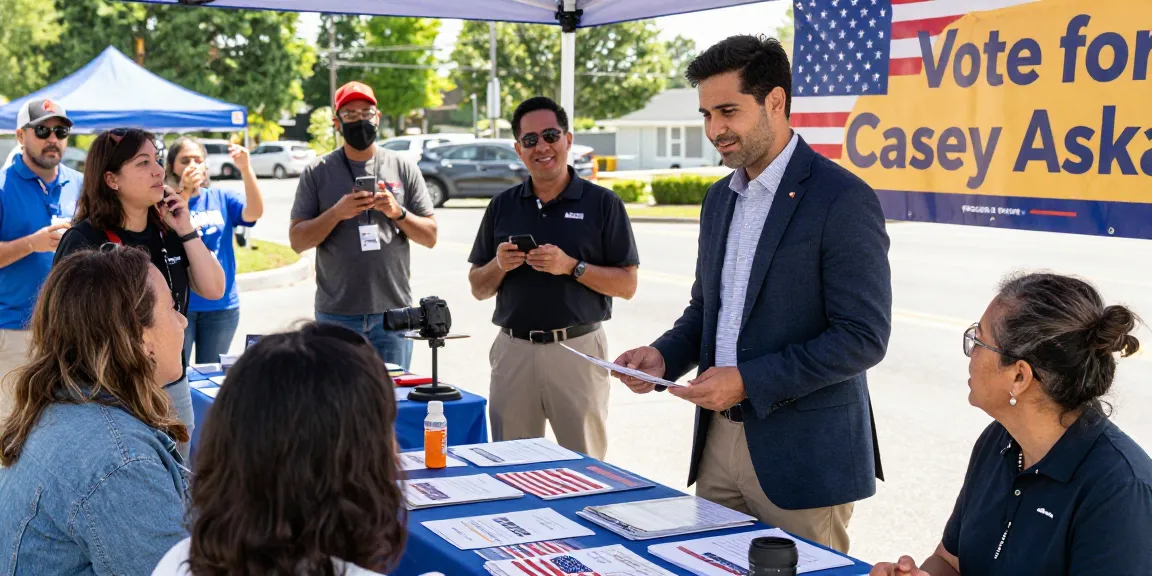
- Community-Centric Campaigns: Engaging with local stakeholders through town halls, forums, and community events is essential to build trust and demonstrate candidate relatability.
- Transparency and Accountability: Voters demand more from candidates regarding ethical practices and campaign financing, emphasizing the need for clear, transparent communication.
Importance of Local Engagement in Campaigns
Effective school board campaigns hinge on local engagement. It is crucial for candidates to form genuine connections with their community. By participating in local events, attending school functions, and proactively addressing community concerns, candidates cultivate a sense of rapport with voters. This engagement not only boosts visibility but also fosters a strong support base. Innovative strategies, such as interactive digital forums and neighborhood canvassing, further enhance outreach efforts.
Targeting Voters Effectively
Defining Your Voter Base for School Board Elections
Understanding your voter base is pivotal to any successful school board campaign. This starts with defining who the key stakeholders are—typically parents of school-aged children, teachers, and community activists. Researching their concerns and priorities can help shape campaign messaging. Surveys and community meetings can be effective ways to gather insights and create a profile of the ideal voter.
Using Data for Precise Voter Targeting
Utilizing data analytics enables campaigns to perform precise voter targeting. Accessing updated voter files allows candidates to identify specific demographics, including age, income, and previous voting trends. This data-driven approach empowers candidates to tailor their outreach efforts, ensuring messages resonate authentically with their audience.
Crafting Messages That Resonate with Parents and Educators
Crafting compelling messages is essential in school board campaigning. Candidates should focus on issues that affect parents and educators directly, such as funding for local programs, curriculum standards, and safety measures in schools. Utilizing emotional storytelling alongside factual data can significantly enhance message impact. Testimonials from community members can also reinforce the candidate's platform and create a sense of shared values.
Strategic Campaign Tactics for 2026
Leveraging Digital Marketing for School Board Campaigns
Digital marketing is an indispensable tool in today's election landscape. Candidates should harness social media platforms like Facebook, Instagram, and Twitter to share their message, engage with voters, and generate grassroots support. Paid digital ads can further extend reach, targeting specific demographics effectively. Moreover, maintaining a well-designed campaign website with informative content and easy navigation enhances voter engagement.
Innovative Grassroots Campaign Strategies
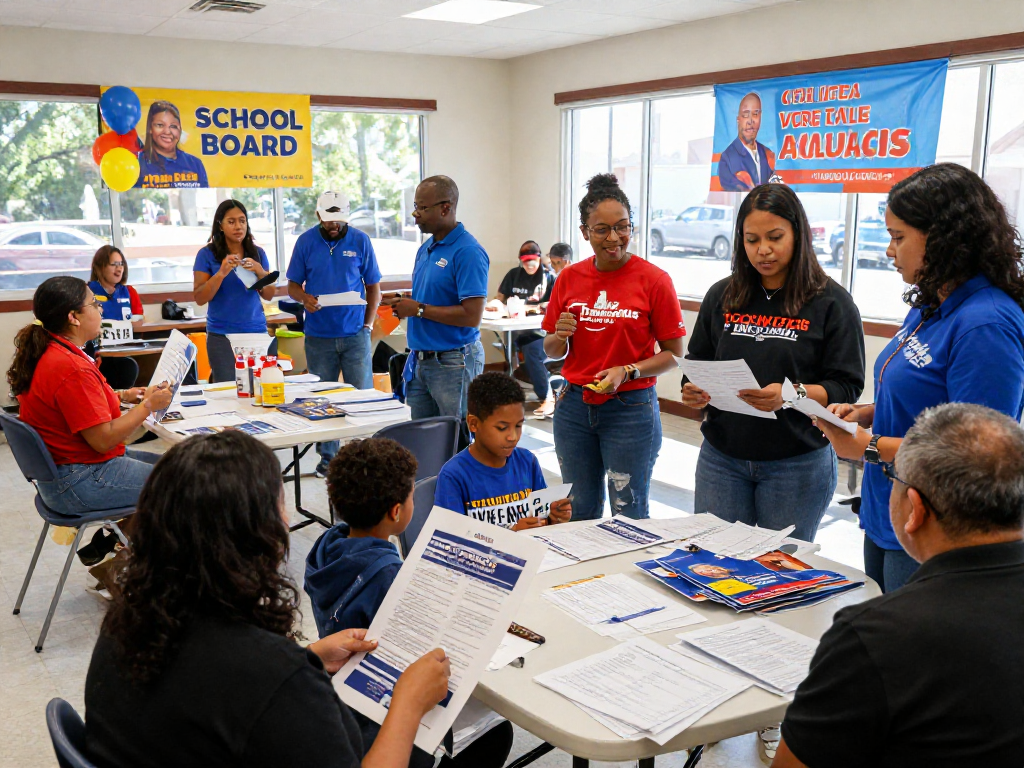
Grassroots strategies empower local supporters to play an active role in the campaign. Organizing volunteer efforts for door-to-door canvassing or phone banking can create significant momentum. Candidates should consider establishing local committees to engage directly with their communities, fostering ownership and commitment among volunteers. These grassroots efforts can amplify campaign messages and significantly boost visibility.
Integrating Community Events into Campaign Plans
Hosting and attending community events provides candidates with platforms to connect with voters in a personal and meaningful way. Organizing town halls, open forums, and family-friendly activities allows for in-depth discussions about educational policies, fostering an environment where community members feel their opinions are valued. These interactions can lead to increased voter turnout and heightened support for candidates.
Measuring Campaign Success
Key Performance Indicators for School Board Campaigns
Measuring the success of a school board campaign is critical to evaluating effectiveness and adjusting strategies. Key performance indicators (KPIs) may include:
- Voter engagement metrics (likes, shares, comments on social media)
- Attendance at events and town halls
- Response rates from direct outreach efforts
- Fundraising totals and donor engagement
A/B Testing Your Campaign Messages
A/B testing can significantly enhance message effectiveness by analyzing voter response to different communication strategies. Candidates can test various versions of emails, social media posts, or advertisement content to determine which resonates most with their audience. This iterative approach provides valuable insights, enabling campaigns to refine their messaging in real time.
Adjusting Strategies Based on Voter Feedback
Feedback is a vital component of maintaining campaign relevance. Regularly seeking input from voters through surveys or interactive platforms can identify areas requiring adjustment. Candidates should be prepared to pivot and modify their strategies based on this feedback to better align with voter expectations and needs. An adaptable campaign is more likely to succeed in today's dynamic political environment.
Future Considerations in School Board Campaign Marketing
Emerging Technologies Impacting Campaign Strategies
The role of technology in political campaigning is expanding. Advancements in artificial intelligence and machine learning can optimize voter targeting and personalize messaging on a scale previously unimaginable. Additionally, innovations such as virtual reality can provide immersive experiences for voters, enabling them to engage with candidates and their platforms more genuinely.
Anticipating Voter Behavior Changes Post-2026
As we approach the 2026 elections, understanding potential shifts in voter behavior will be crucial. Factors such as economic changes, educational policy updates, and emerging social issues can influence voter sentiment. Continuous monitoring of these trends will allow candidates to adapt their strategies and messaging effectively, ensuring relevance within the community.
Building Sustainable Community Relationships for Future Campaigns
For long-term success, candidates must focus on building sustainable relationships within the community beyond the election cycle. Engaging with local organizations, participating in school events, and advocating for community issues fosters goodwill and establishes a candidate as a committed community leader. Such relationships will not only enhance future campaign efforts but also contribute to more effective governance.
What are the key elements of a successful school board campaign?
Successful school board campaigns rest on several key elements: a well-defined voter base, effective messaging tailored to local issues, robust community engagement, and the ability to adapt to feedback and changing conditions.
How can data analytics enhance school board campaign marketing?
Data analytics enhance school board campaign marketing by providing insights into voter behavior, preferences, and demographics, allowing for targeted messaging and more effective outreach strategies.
What role does community engagement play in school board elections?
Community engagement is critical in school board elections, as it fosters trust and builds relationships between candidates and voters, ensuring that campaigns reflect the values and concerns of the community.
What are effective digital strategies for political campaigns?
Effective digital strategies for political campaigns include leveraging social media for outreach, utilizing targeted digital advertising, and maintaining a user-friendly campaign website to connect with voters.
How to adapt campaign messaging for diverse voter demographics?
Adapting campaign messaging for diverse voter demographics involves understanding the unique concerns of each demographic group and tailoring communication strategies to address those specific needs and interests.