Understanding Mini Split Air Conditioners
As homeowners look for efficient ways to maintain comfortable indoor climates, the mini split air conditioner has emerged as a versatile option. This modern HVAC solution combines flexibility and efficiency, making it a popular choice for both new constructions and retrofits. In this article, we will explore what mini split air conditioners are, how they differ from traditional HVAC systems, and the components that make them work effectively.
What is a Mini Split Air Conditioner?
A mini split air conditioner, often referred to as a ductless system, is a compact and efficient cooling and heating solution that consists of two primary components: an outdoor compressor and one or more indoor air-handling units. Unlike conventional HVAC systems, which rely on ductwork to distribute air, mini splits deliver conditioned air directly to different zones or rooms within a building. This zoning capability allows homeowners to customize their comfort levels based on specific needs, making mini splits ideal for homes with multiple spaces or for those who want to reduce energy consumption in unoccupied areas.
Key Components of Mini Split Systems
- Outdoor Unit: The compressor and condenser components are located outside the home. This unit expels heat from the refrigerant, cooling the air that will be circulated indoors.
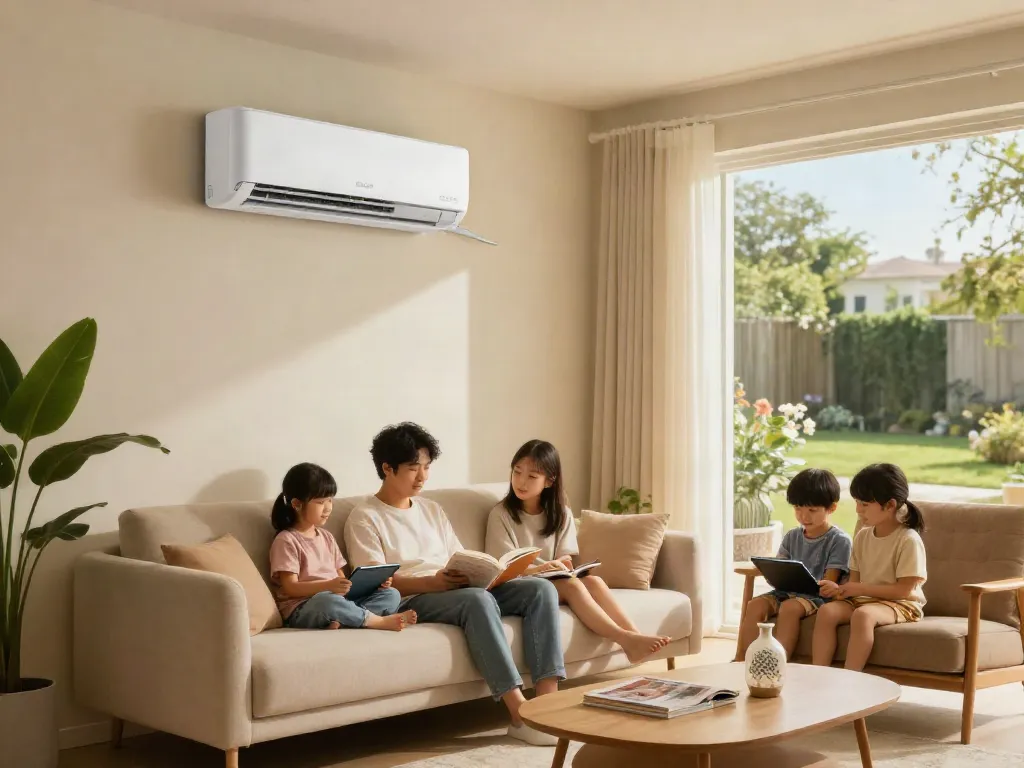
- Indoor Unit: These are typically wall-mounted units that distribute cooled air into the rooms. They can be installed in various configurations to suit different spaces.
- Refrigerant Lines: These lines connect the outdoor unit to the indoor units, transporting refrigerant between them to facilitate the cooling or heating process.
- Thermostat Control: Many mini split systems are equipped with programmable thermostats that allow for precise temperature control in individual zones.
How Mini Splits Differ from Traditional HVAC Systems
Mini split systems are distinct from traditional HVAC systems in several significant ways. First, they do not require ductwork, which can be a costly and labor-intensive installation in older homes. This ductless design not only reduces installation costs but also minimizes energy loss associated with poorly insulated ducts. Second, mini splits offer superior zoning capabilities, allowing homeowners to cool or heat specific areas without impacting others. This targeted approach leads to significant energy cost savings and improved overall comfort. Furthermore, mini splits operate quietly compared to traditional systems, enhancing indoor comfort without disruptive noise.
Benefits of Mini Split Air Conditioners
Energy Efficiency and Cost Savings
One of the most compelling advantages of mini split air conditioners is their energy efficiency. With SEER (Seasonal Energy Efficiency Ratio) ratings often ranging from 16 to 30, many mini splits outperform traditional systems, which typically range between 13 and 15 SEER. This high efficiency translates into lower energy bills, especially during peak cooling periods. Additionally, since mini splits allow for zone-specific temperature control, homeowners can save even more by avoiding the energy waste associated with cooling unoccupied spaces.
Flexible Installation Options for Homes
Mini splits offer remarkable flexibility in terms of installation. Since they do not require ductwork, they can be installed in a wide variety of settings, from single-room additions to full homes. Homeowners can choose between wall-mounted, floor-mounted, or ceiling-recessed units, allowing for seamless integration into their existing décor. This versatility makes mini splits an attractive option for retrofitting or upgrading older homes that may not be equipped to handle traditional air conditioning systems.
Improved Indoor Air Quality Features
Mini split systems often come with advanced filtration capabilities that can significantly enhance indoor air quality. Many models include multi-stage filters that trap dust, allergens, and other particulates, helping to create a healthier living environment. Moreover, the absence of ductwork means that mini splits do not circulate dust and contaminants that can accumulate in traditional HVAC systems, contributing to better air quality for occupants.
Installation Process for Mini Split Systems
Choosing the Right Location for Installation
Before installation, it is crucial to determine the best location for both the indoor and outdoor units. Factors to consider include the layout of the home, exposure to sunlight, and ease of access for maintenance. Ideally, indoor units should be placed in areas where cool air can circulate effectively, such as high on a wall or in a corner of the room.
Steps Involved in Professional Installation
- Site Assessment: A qualified technician will assess the space to determine the best system size and configuration.
- Mounting the Indoor Unit: The indoor unit is mounted securely on the wall or ceiling based on the chosen location.
- Installing the Outdoor Unit: The outdoor unit is placed in a well-ventilated area, free from obstructions, ensuring optimal performance.
- Connecting Refrigerant Lines: Refrigerant lines are run from the outdoor unit to the indoor unit, ensuring proper insulation and sealing to avoid leaks.
- Electrical Connections: The system is connected to the electrical supply, adhering to local codes and regulations.
- Testing the System: Finally, the technician will test the system for functionality and check for any issues before leaving the site.
DIY Installation: Pros and Cons
While some homeowners may consider a DIY approach to installing mini split systems, it's essential to weigh the pros and cons. On the one hand, installing a mini split can save money on labor costs. However, improper installation can lead to inefficiencies, higher energy bills, and potentially costly repairs. For those without HVAC expertise, hiring a professional is often the best choice to ensure optimal performance and longevity of the system.
Common Challenges and Maintenance Tips
Addressing Common Issues with Mini Split Systems
Although mini split systems are generally reliable, they can experience several common issues. These include refrigerant leaks, malfunctioning remote controls, and blocked filters. Homeowners should regularly check air filters and clean them as necessary to maintain optimal airflow and efficiency. If issues persist, consulting a professional HVAC technician is advisable to diagnose and resolve any underlying problems.
Essential Maintenance Practices for Homeowners
- Regular Filter Cleaning: Clean or replace filters every 1-3 months to maintain air quality and efficiency.
- Inspect Drain Lines: Ensure that drain lines are clear to prevent water buildup and leaks.
- Schedule Annual Professional Maintenance: Having a technician perform a comprehensive inspection each year can prevent costly repairs and extend the system's lifespan.
When to Call a Professional Technician
Homeowners should consider calling a professional technician when they notice unusual noises, significant temperature fluctuations, or higher-than-normal energy bills. Additionally, if the system is not cooling or heating effectively, it’s wise to seek professional assistance to avoid further damage.
Future Trends in Mini Split Technology
Innovations on the Horizon for 2026
The mini split technology landscape is evolving with exciting new innovations expected to hit the market by 2026. These advancements include enhanced energy efficiency ratings, eco-friendly refrigerants with lower environmental impact, and improved remote monitoring systems that allow users to optimize their HVAC usage via smartphones and smart home integration.
Sustainability and Eco-Friendly Practices
As environmental consciousness grows, manufacturers are prioritizing sustainability in mini split design and production. This includes the use of recyclable materials, energy-efficient motors, and lower global warming potential (GWP) refrigerants. Homeowners can contribute to a healthier planet by investing in these advanced systems that not only save energy but also promote eco-friendly practices.
Smart Home Integration: The Future of Climate Control
With the rise of smart home technology, mini splits are increasingly integrated into home automation systems. This integration allows homeowners to control their heating and cooling via smart devices, set schedules, and receive alerts for maintenance needs. Such advancements not only enhance user convenience but also increase energy savings by optimizing system usage based on real-time data.
What are the disadvantages of a mini split?
While mini split systems offer many benefits, they also have some potential disadvantages. These can include higher upfront costs compared to traditional systems, a reliance on electricity which may not be ideal in areas prone to power outages, and the aesthetic aspect of visible indoor units that some homeowners may find unappealing.
Is a mini split air conditioner worth it?
Investing in a mini split air conditioner can be worthwhile for many homeowners, especially those seeking energy efficiency and precise climate control. Although the initial costs may be higher, the long-term savings on energy bills and the added comfort of zoning often justify the investment.
How much does a mini split cost for a 2000 sq ft house?
The cost of installing a mini split system for a 2000 sq ft house can vary depending on several factors, including the number of zones required and the unit's efficiency rating. On average, homeowners can expect to pay between $3,000 to $5,000 for a complete installation, which might include the necessary equipment and labor. However, these costs can fluctuate based on regional pricing and system customization.
Can mini split systems heat as well as cool?
Yes, many mini split systems are equipped with heat pump capabilities, allowing them to provide both heating and cooling. This dual functionality makes them a versatile solution for year-round climate control, especially in regions with moderate heating needs.
What maintenance does a mini split air conditioner require?
Regular maintenance for mini split systems includes cleaning or replacing filters, inspecting drain lines, checking for refrigerant leaks, and scheduling annual professional inspections. Adhering to these practices can help ensure the system operates efficiently and has a prolonged lifespan.